
Blogs

A Look at Suicide Awareness
As mental health becomes more openly discussed, suicide can still feel like an uncomfortable topic. Many people feel unsure of what to say, how to help, or whether bringing it up might make things worse. This can result in individuals who are struggling to feel isolated, misunderstood, or alone in their pain.
The reality is that suicide impacts many lives. A significant number of Americans have been affected by suicide in some way (54%) and it remains one of the leading causes of death in the United States. The goal with increasing awareness is to foster understanding, connection, and support.
Why Awareness Matters
One of the biggest barriers is not knowing what to look for or how to respond. As many as 2 out of 3 adults have reported that they do not feel confident recognizing when someone may be considering suicide. Although many adults are unsure of what steps to take, most are open to learning more. Education empowers us to show up for one another with clarity, compassion and intention.
Understanding risk factors, warning signs, and protective factors can help us feel more prepared to support those who may be struggling.
Risk Factors
Although there is no single cause of suicide, there are a variety of factors that can increase someone’s risk. Some common risk factors include:
- Mental health conditions such as depression, bipolar disorder, substance use disorders, schizophrenia, or personality disorders
- Chronic pain or ongoing medical conditions
- Access to lethal means
- Stressful life events (such as divorce, grief or loss, financial stress, or harassment)
- Previous suicide attempts
- Trauma history
It’s important to remember that having risk factors does not mean someone will attempt suicide. These factors simply increase vulnerability.
Warning Signs
While risk factors increase vulnerability over time, warning signs are more immediate indicators that someone may be struggling with suicidal thoughts.
Behavioral warning signs may include:
- Withdrawing from friends, family, or usual activities
- Increased substance use
- Giving away personal belongings
- Saying goodbye in a way that feels final
- Searching for ways to end their life
- Increased agitation or aggression
Mood-related warning signs may include:
- Persistent depressive symptoms
- Loss of interest or pleasure in things
- Feelings of shame, hopelessness, or being a burden
- Irritability
- A sudden sense of relief after a period of distress
It is also important to take statements seriously. Comments such as “I feel like a burden,” “There’s no point anymore,” “I feel trapped,” or direct expressions of wanting to die are important to approach with care and attention. \
Protective Factors
Just as certain factors increase risk, there are factors that can reduce risk. Protective factors may include:
- Access to quality mental health care
- Strong connections with family, friends, or community
- Healthy coping skills
- A sense of meaning or purpose
- Cultural or spiritual beliefs that support life
- Reduced access to lethal means
Strengthening protective factors can be a significant and impactful part of suicide prevention.
How to Support Someone
Sometimes it can be easy to get caught up in the words we say. If you’re concerned about someone, your presence can matter more than having the “perfect” words.
- Take them seriously.
- Listen without judgment.
- Express care and concern.
- Ask directly about suicide if you are worried. Research consistently shows that asking about suicide does not put the idea into someone’s head.
- Encourage professional support.
- Help reduce access to lethal means if appropriate and safe to do so.
It can be tempting to try to convince someone of the value of their life or “fix” their pain. Instead, focus on validating their experience and letting them know they are not alone. Honest, compassionate conversations can reduce shame and increase connection.
While support can be impactful and meaningful, it is important to remember that you are not solely responsible for saving someone’s life.
If You Are Struggling
If you are experiencing thoughts of suicide, please know that you are not alone. Reaching out can feel incredibly difficult and support is available.
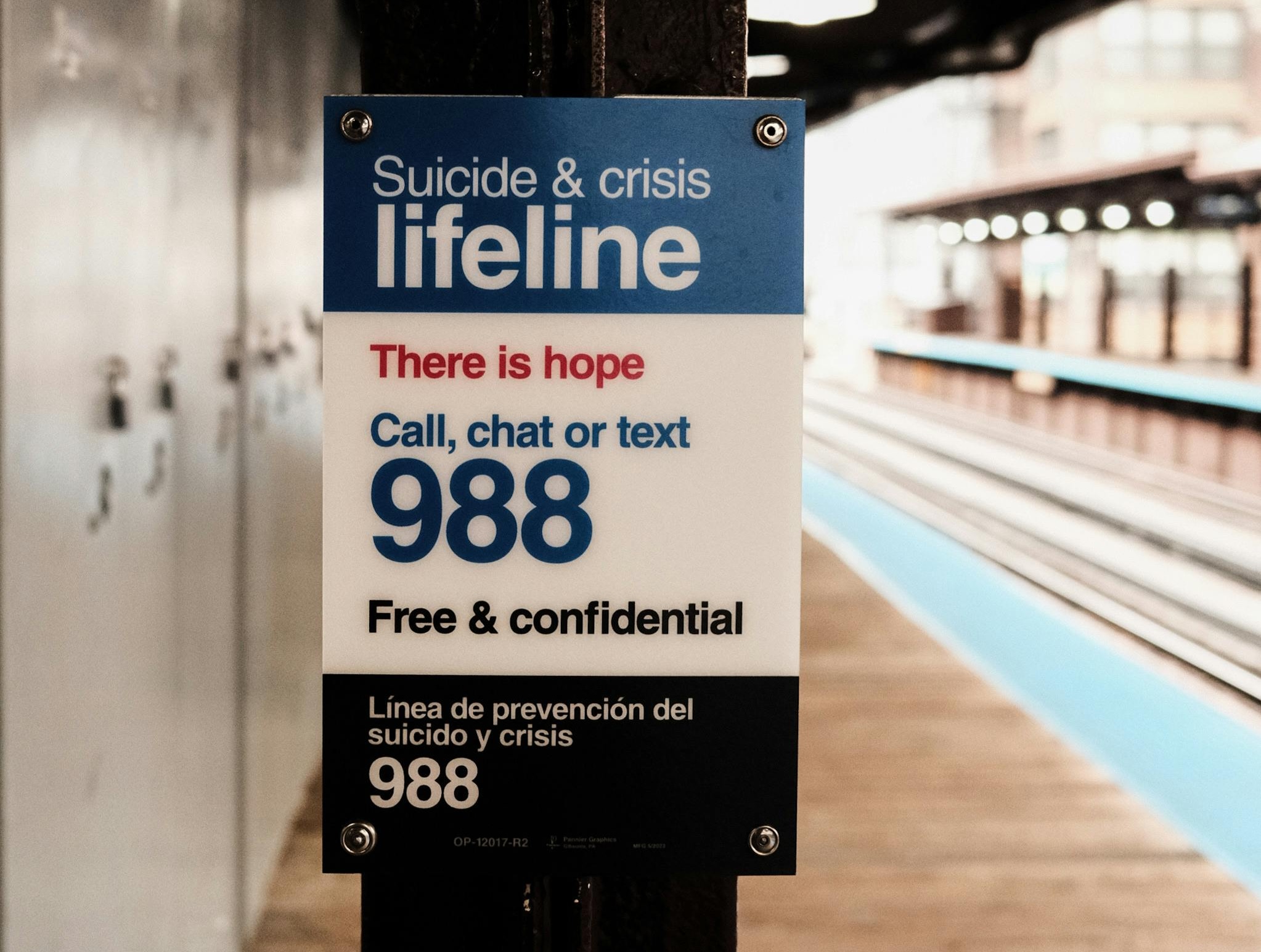
If you are in immediate danger or need urgent support, you can call or text 9-8-8 to reach the 9-8-8 Suicide & Crisis Lifeline, available 24/7.
If you are currently working with a therapist, consider sharing these thoughts openly so they can help you create a plan for safety and support.
And if you are not yet connected to care, it can be helpful to begin the process to get connected with a therapist to receive the support you deserve.
--
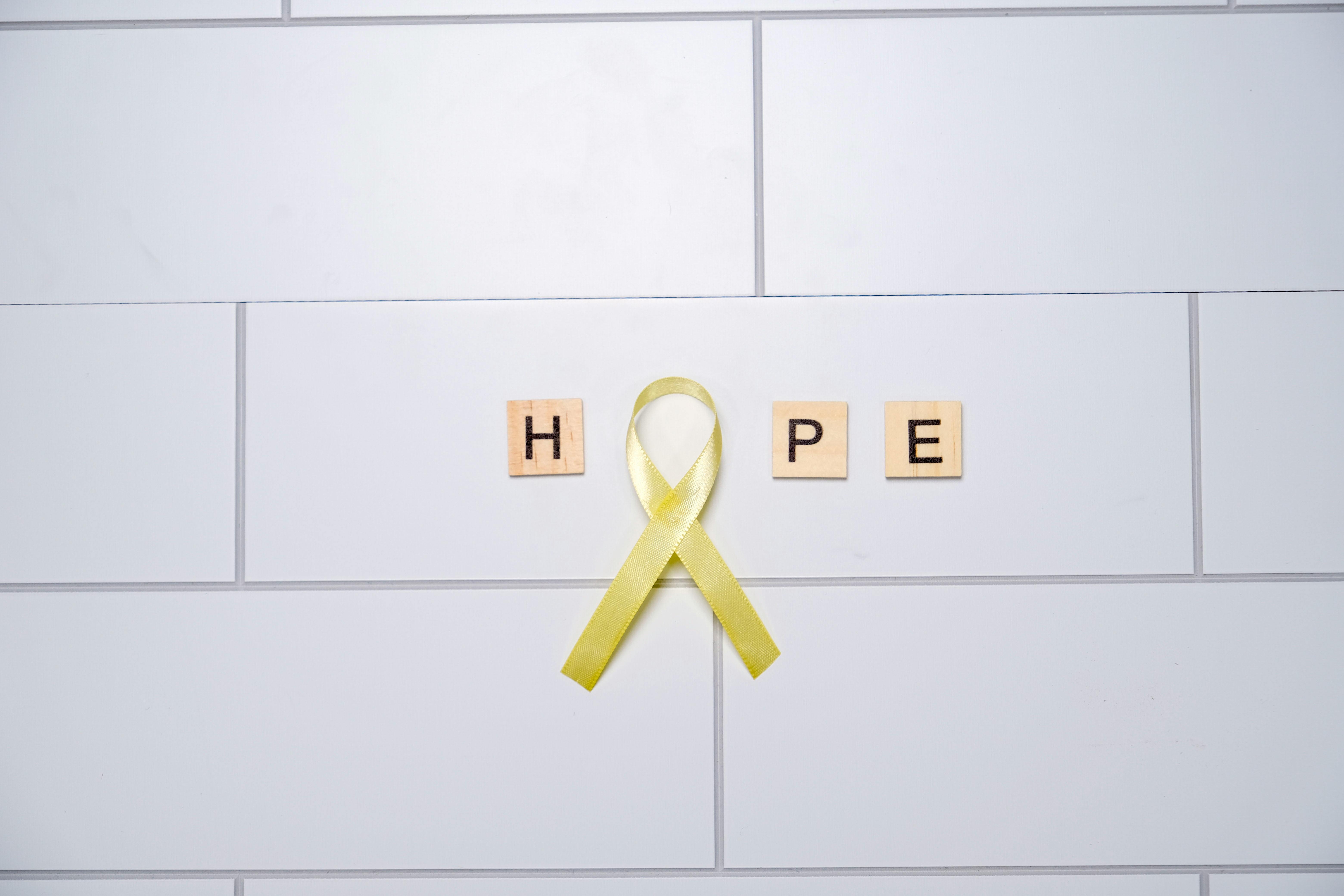
Photo by Sydney Sang: https://www.pexels.com/photo/yellow-ribbon-symbolizing-hope-on-white-tiles-33699798/
Leave A Comment
Latest From The Blog

























.svg)
