
Blogs

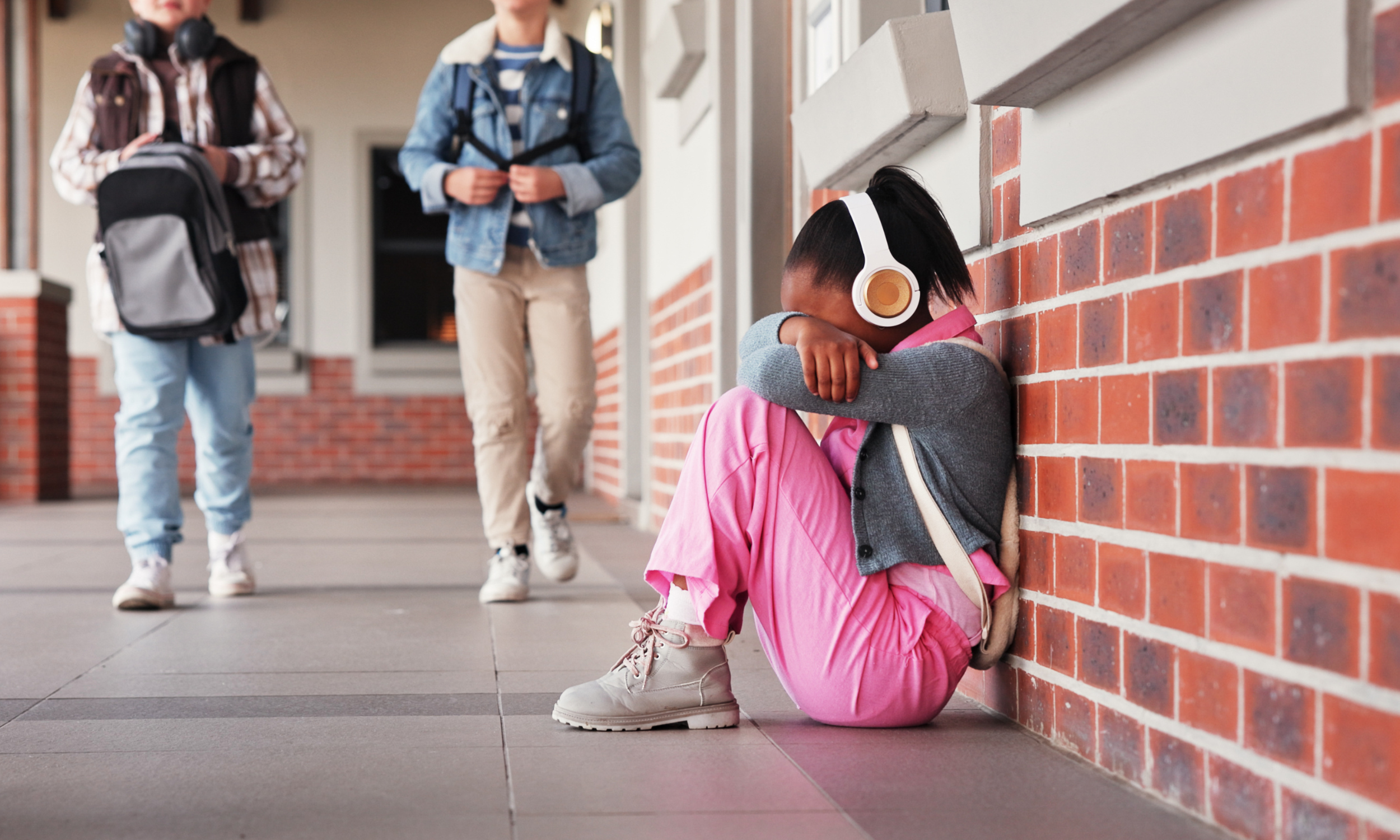
Anxiety in Children: How to Know When It's Time to Get Help
Written by Jennifer Whetstone, Founder of HOPE Therapy Group, Licensed Marriage and Family Therapist & Clinical Supervisor
Some anxiety in children is a normal part of growing up, and many kids move through fears and worries with time and support. It's time to consider getting help when your child's anxiety is intense, keeps coming back, or starts interfering with school, sleep, friendships, activities, or family life. A child therapist can help you understand what is happening and give both you and your child practical tools for managing anxiety.
If you're wondering whether you should have noticed sooner or done something differently, try not to turn this into a parenting report card. Anxiety isn't always obvious. Sometimes a teacher notices changes at school first, while other children hold it together all day and unravel once they're home.
Key Takeaways
- Some fears and worries are a normal part of childhood.
- Anxiety deserves more attention when it regularly interferes with everyday life.
- Anxiety symptoms in children can be emotional, behavioral, or physical.
- Younger children and teens may show anxiety differently.
- Parents can learn strategies that help at home.
- You don't need to know exactly what's wrong before asking a therapist for guidance.
Table of Contents
- What Are the Signs of Anxiety in Children?
- Is My Child's Anxiety Normal?
- What Does Anxiety Look Like at Different Ages?
- What Are Common Types of Anxiety in Children?
- What Causes Anxiety in Children?
- How Do You Treat Anxiety in Children?
- When Is It Time to Get Help for Your Child's Anxiety?
- Frequently Asked Questions
What Are the Signs of Anxiety in Children?
Signs of anxiety in children can include frequent worry, avoidance, irritability, difficulty sleeping, physical complaints, reassurance seeking, or strong reactions to situations that feel threatening to them. Some children will tell you directly that they're scared or worried. Others communicate anxiety through their behavior.
A child might suddenly resist going to school, repeatedly ask whether something bad will happen, struggle to fall asleep alone, or become upset when plans change. Headaches, stomachaches, and feeling sick before school or another stressful situation can also accompany worry.
Anxiety doesn't always look fearful. Some kids become irritable, argumentative, perfectionistic, or easily frustrated when they're anxious. A parent may initially think the problem is behavior when the child is actually overwhelmed.
You know your child better than anyone else. Look for changes from their usual patterns rather than comparing them with another child. A behavior becomes more meaningful when it happens repeatedly or starts interfering with things your child needs or wants to do.
Is My Child's Anxiety Normal?
Childhood anxiety can be normal when fears are temporary, manageable, and don't consistently prevent a child from participating in everyday life. Children encounter new situations constantly, so worry is part of learning how to navigate the world.
A younger child may be afraid to sleep alone. A school-age child might worry before a test. A teenager may feel nervous before a presentation, tryout, first date, or difficult social situation.
The question isn't whether your child ever feels anxious. A more useful question is: What does the anxiety stop my child from doing?
If your child worries about a test but studies, takes it, and moves forward, the anxiety may be manageable. If worry leads to repeated stomachaches, missed school, hours of reassurance, sleepless nights, or avoiding activities they normally enjoy, the anxiety may need more attention.
The U.S. Preventive Services Task Force describes anxiety disorders as excessive fear or worry that can show up through emotional and physical symptoms and recommends anxiety screening for children and adolescents ages 8 to 18. Recognizing anxiety early can help parents better understand when everyday worry may need more attention.
What Does Anxiety Look Like at Different Ages?
Anxiety can look different at different ages because children express fear and worry according to their developmental stage. A six-year-old may not have the words to explain anxiety the way a sixteen-year-old can.
Younger children may become clingy, have difficulty separating from a parent, resist sleeping alone, complain about physical discomfort, or need frequent reassurance. Separation anxiety in children can become especially noticeable around school drop-off, bedtime, sleepovers, or other situations that involve being away from a parent.
School-age children may worry more about grades, friendships, mistakes, family members, sports, or fitting in. You might notice perfectionism, avoiding new activities, frequent questions about what will happen next, or physical complaints before school.
Teenagers may worry about academics, appearance, friendships, relationships, college, performance, or how other people perceive them. Anxiety may look like procrastination, irritability, withdrawal, staying home from activities, or avoiding situations where they might fail or feel embarrassed.
The details change as children grow, but the pattern is worth noticing. When fear begins shrinking your child's world, it may be time to find out what is making everyday situations feel so difficult.
What Are Common Types of Anxiety in Children?
Common anxiety concerns in children can involve separation, social situations, specific fears, school or performance, or persistent worry about many areas of life. Your child doesn't need to fit neatly into one category for their anxiety to deserve attention.
Separation anxiety may involve intense worry about being away from a parent or caregiver. A child may struggle with school drop-off, refuse sleepovers, repeatedly check where a parent is, or worry that something bad will happen while they're apart.
Social anxiety can make interactions with other people feel intimidating. A child or teen might avoid speaking in class, parties, eating around others, joining groups, or situations where they worry people will notice or judge them.
Other children worry about many things at once. School, health, family, friendships, mistakes, schedules, and the future may all become sources of worry.
Anxiety can also exist alongside other concerns. ADHD, depression, behavioral challenges, learning differences, or stressful life experiences can complicate the picture. That is one reason an outside perspective can be useful when you're having trouble figuring out what you're seeing.
What Causes Anxiety in Children?
Anxiety in children usually doesn't come down to one simple cause, and having an anxious child does not mean a parent caused the problem. A child's temperament, experiences, stress level, relationships, environment, and other individual factors can all shape how they respond to uncertainty or fear.
Sometimes there is an obvious trigger. A move, divorce, loss, school change, friendship problem, illness in the family, academic pressure, or another stressful experience may coincide with an increase in anxiety.
Other times, parents can't point to a specific event. They may simply notice that their child has always been cautious, worries more than siblings or friends, or needs extra time to feel comfortable in unfamiliar situations.
Parents naturally look backward when a child is struggling. You may wonder whether you reassured too much, pushed too hard, didn't push enough, or somehow missed an important sign.
Blame doesn't tell you what your child needs next. Understanding the pattern does.
How Do You Treat Anxiety in Children?
Treatment for anxiety in children helps kids understand what they're feeling, build coping skills, and gradually become more confident handling situations that trigger worry. Therapy should be adapted to a child's age, personality, needs, and ability to communicate.
Children's therapy at HOPE Therapy Group may include talk therapy, psychoeducation, expressive art therapy, or play therapy depending on the child's developmental age and needs. Therapy can give children a safe place to explore emotions, thoughts, behaviors, strengths, and challenges.
For a younger child, sitting face-to-face and talking about anxiety for an entire session may not be the most natural way to communicate. Play and creative activities can give children another way to express what is difficult to put into words.
Parents matter in this process too. HOPE Therapy Group describes children's counseling as an opportunity for parents to gain tools for understanding and parenting according to their child's individual needs. The goal isn't to find something the parent has done wrong; it's to help the adults around the child respond in ways that support progress.
For some families, broader family patterns may also be part of the conversation. Therapy can help parents understand when to comfort, when to encourage a child through discomfort, and how to respond consistently when anxiety shows up at home.
When Is It Time to Get Help for Your Child's Anxiety?
It may be time to get help when anxiety regularly interferes with your child's school, sleep, friendships, activities, independence, or family life. You don't have to wait until anxiety becomes overwhelming before asking someone to help you understand what you're seeing.
Pay attention to patterns. Has your child stopped doing things they used to enjoy? Are mornings becoming a daily battle because of school worries? Does your child need repeated reassurance before they can move forward?
You may also be here because someone else noticed a change. A teacher might mention that your child seems unusually worried about mistakes. A school counselor might notice withdrawal, frequent visits to the nurse, or difficulty participating.
Hearing that can be unsettling, but it doesn't mean you missed something. Children behave differently in different environments, and another adult's observation can simply give you one more piece of the picture.
You also don't need to decide on your own whether the anxiety is "serious enough." A therapist can help you understand whether your child's experience looks like a temporary challenge, a pattern that needs additional support, or something the family can begin addressing with new tools.
Frequently Asked Questions
Can a child grow out of anxiety?
Some childhood fears become easier as children mature and gain confidence, while other anxiety patterns may continue without additional support. The better question is whether anxiety is interfering with your child's life right now.
If anxiety is keeping your child from school, friendships, sleep, activities, or age-appropriate independence, you don't have to wait and hope it disappears.
Does my child need a diagnosis to start therapy?
You don't need to know exactly what is causing your child's behavior before reaching out to a therapist. Parents often seek therapy because they've noticed a change and want help understanding it.
You can start with what you know: your child is worried, avoiding something, struggling at school, having frequent emotional reactions, or simply doesn't seem like themselves.
Can anxiety cause stomachaches or headaches in children?
Anxiety can sometimes be accompanied by physical symptoms, including stomach discomfort, headaches, tension, or feeling sick. Children may talk about the physical sensation before they recognize that they're worried.
If your child has new, persistent, or concerning physical symptoms, it's also appropriate to discuss them with their pediatrician rather than assuming anxiety is the cause.
Should I tell my child's teacher or school counselor about the anxiety?
Talking with a teacher or school counselor can be useful when anxiety is affecting your child's school day. They may also be able to tell you what they're observing when you aren't there.
Sharing information can help the adults supporting your child recognize patterns and respond more consistently.
Will parents be involved in a child's therapy?
Parents can play an important role in children's therapy, although the amount and type of involvement can depend on the child's age and needs. Parent involvement can help you better understand what your child is experiencing and learn ways to support new skills outside the therapy room.
About HOPE Therapy Group
If your child's worries have started to feel bigger than a phase, you don't have to figure out the next step alone. At HOPE Therapy Group, child and adolescent therapists help young people understand their emotions, develop coping skills, and work through challenges affecting daily life. Depending on a child's developmental age and needs, treatment may include talk therapy, psychoeducation, expressive art therapy, and play therapy.
HOPE Therapy Group also helps parents better understand their child's needs and build tools they can use outside therapy. The practice serves children, adolescents, adults, couples, and families, with offices in the San Diego and Los Angeles areas and telehealth services across California. HOPE Therapy Group accepts several major insurance plans.
Not sure if your child needs support? Contact HOPE Therapy Group to get started.
Leave A Comment
Latest From The Blog


























.svg)
