Blogs


Beyond the Holiday Cheer: Prioritizing Mental Health This Season
Written by Arianna Quinonez | Associate Marriage and Family Therapist
As the holiday season approaches, many people begin preparing for celebrations, family gatherings, traditions, and time spent with loved ones. While this time of year is often associated with joy, gratitude, and connection, it can also bring increased emotional stress, anxiety, grief, and feelings of loneliness. The holidays can be a complicated time, and it is important to recognize that not everyone experiences this season in the same way.
The intersection of mental health and the holidays reminds us that two things can be true at once: we can appreciate meaningful moments while also experiencing difficult emotions. Giving ourselves permission to acknowledge both experiences can help us approach the season with greater compassion and understanding.
The Pressure of Holiday Expectations
The holidays often come with expectations about how we should feel, how we should celebrate, and how we should interact with others. Social media, family traditions, and cultural expectations can contribute to the belief that the holidays should be a time of constant happiness and togetherness.
For individuals experiencing anxiety or depression, these expectations may create additional pressure. Comparing our experiences to others or feeling obligated to participate in every gathering can contribute to emotional exhaustion.
It is important to remember that there is no single right way to experience the holidays. You do not have to feel joyful every day, attend every event, or meet everyone else's expectations to make the season meaningful.
Navigating Family Dynamics and Boundaries
For some individuals, the holidays mean reconnecting with family members and loved ones. While these interactions can be meaningful, they can also bring up unresolved conflict, complicated relationships, and longstanding family dynamics.
Returning to familiar environments can sometimes bring back old feelings, expectations, or relational patterns. Conversations about relationships, parenting, finances, career choices, or personal decisions may create tension or emotional discomfort.
Establishing healthy boundaries can help protect your emotional well-being. This may look like limiting the amount of time spent at certain gatherings, choosing not to engage in uncomfortable conversations, communicating your needs, or giving yourself permission to step away when necessary.
Boundaries are not intended to create distance or conflict. Rather, they allow us to participate in relationships while remaining mindful of our own emotional needs.
Grief, Loss, and the Holidays
The holiday season can be especially difficult for individuals navigating grief. Whether grieving the loss of a loved one, a relationship, a significant life transition, or an experience they once anticipated, the holidays can intensify feelings of sadness and longing.
Traditions that once brought comfort may now serve as reminders of someone who is no longer present. Family gatherings may feel different, and milestones may highlight the absence of someone important.
Grief does not follow a timeline, and there is no expectation that individuals should feel better simply because the holidays have arrived. Allowing yourself to experience difficult emotions, creating new traditions, maintaining meaningful old traditions, or finding ways to honor loved ones can all be part of navigating loss.
You can celebrate and grieve simultaneously. One does not invalidate the other.
Managing Stress, Anxiety, and Emotional Overwhelm
Between financial responsibilities, travel, social commitments, family expectations, and changes in routine, the holidays can introduce additional stressors.
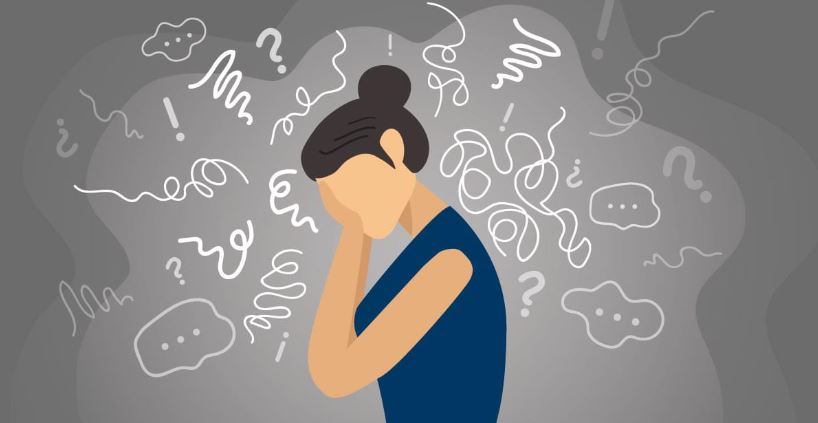
For individuals who already experience anxiety, the unpredictability and demands of the season may contribute to increased worry, irritability, difficulty sleeping, and emotional overwhelm.
Consider incorporating intentional moments of rest and grounding into your routine. This may include:
- Prioritizing your needs: Identify what is most important to you and give yourself permission to let go of unnecessary obligations.
- Maintaining routines: Continue prioritizing sleep, movement, balanced meals, and other habits that support your mental well-being.
- Practicing mindfulness: Take a few moments to slow down, notice your surroundings, and reconnect with the present moment.
- Setting realistic expectations: Recognize that you do not have to create the perfect holiday experience.
- Making space for connection: Spend time with individuals who make you feel supported, understood, and emotionally safe.
Small, intentional changes can make a meaningful difference in how you experience the holiday season.
Giving Yourself Permission to Experience the Holidays Differently
One of the most important reminders during the holidays is that your experience does not have to look like anyone else's. You may find comfort in traditions, choose to create new ones, spend more time alone, or celebrate in a way that feels more manageable for you.
It is okay to say no. It is okay to change your plans. It is okay to acknowledge that this season feels different than it once did.
Rather than focusing on what the holidays are supposed to look like, consider asking yourself: What would it look like to honor my emotional needs this season?
This question can help shift the focus from external expectations toward intentional choices that support your mental health.
A Gentle Reminder: You Do Not Have to Navigate It Alone
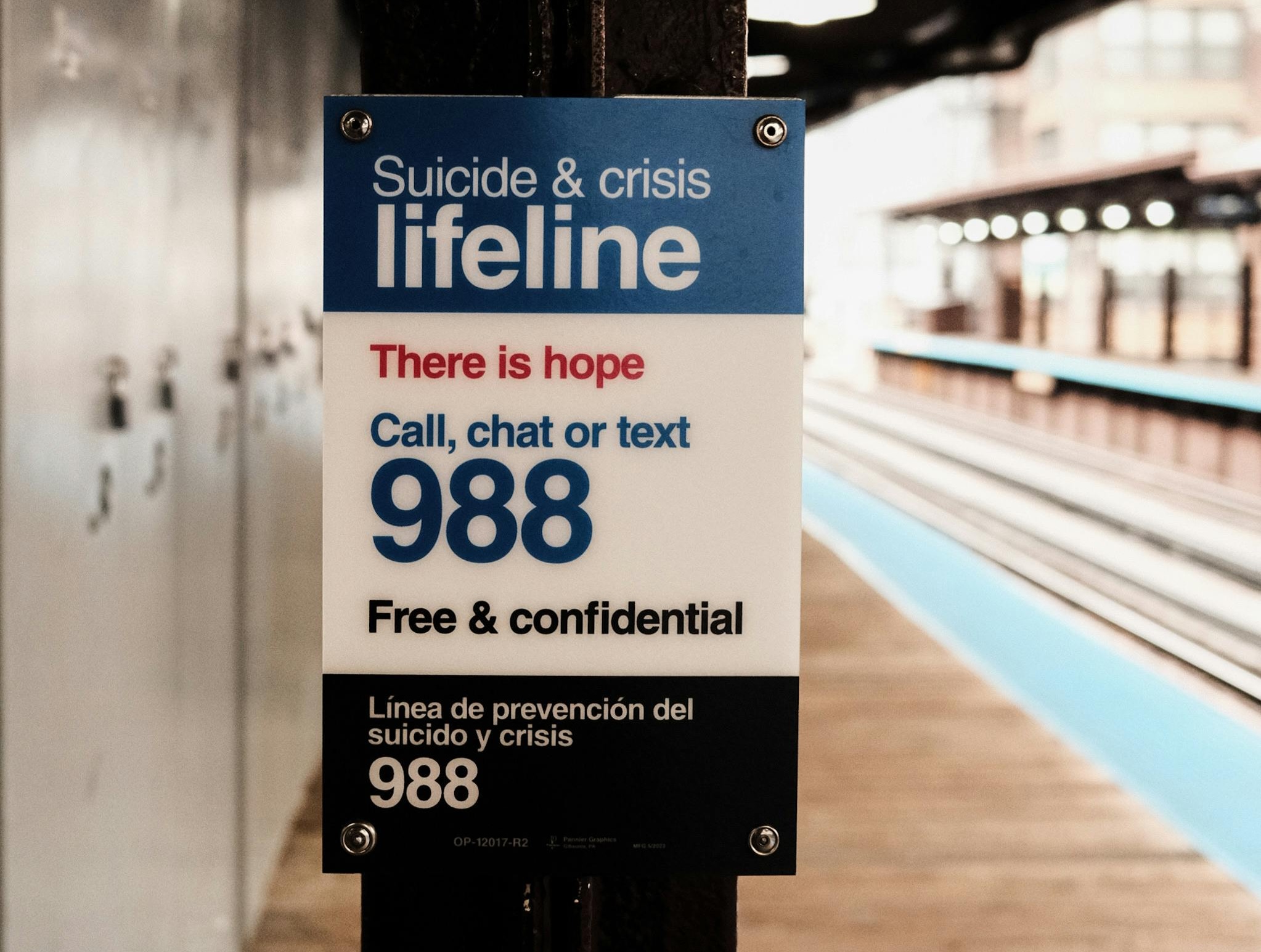
The holidays can bring a wide range of emotions, and experiencing difficult feelings during this time does not mean you are doing something wrong. Mental health does not take a holiday, and neither should our commitment to caring for ourselves.
If you notice increased anxiety, persistent sadness, emotional exhaustion, or difficulty navigating relationships during this season, consider reaching out to a mental health professional. Therapy can provide a supportive space to process emotions, explore relationship dynamics, strengthen coping skills, and develop strategies for navigating seasonal stressors.
As we enter the holiday season, remember to extend yourself the same compassion you so freely offer others. You deserve space to rest, feel, reflect, and experience the holidays in a way that honors where you are emotionally.
This holiday season, give yourself permission to prioritize your peace over perfection.
Leave A Comment
Latest From The Blog